Overweight Equines
Hello, Tracy Heaton, Equine Inspector here. When you think of rescuing horses, I guess what comes to mind is thin, emaciated horses? Whilst this is often the case, I am finding obesity to be a big problem. In this post I will include some advice on how to manage an overweight horse.
Horses that are overweight are more at risk of EMS (Equine Metabolic Syndrome), laminitis, circulatory problems, reproductive issues and excessive loading of the limbs and joints.
Why is my horse fat?
Horses get fat when the energy consumed exceeds the energy used, it leads to fat being deposited on the outside either all over the body or in specific areas resulting in big crests for example, but the fat is also laid down around their muscles and vital organs which can lead to severe medical conditions. It is a vital part of horse ownership to constantly review your horses’ weight and alter exercise and or feed regime accordingly.
Assessing bodyweight
- Most feed manufacturers do weight clinics on yards where they bring a calibrated weigh bridge, which is an accurate way to assess the weight.
- Weight tapes can be useful as a guide to fluctuation but are not always very accurate as they only measure in one place and do not consider fat elsewhere on the body.
- What does a fat horse look like? Body scoring is a subjective method, you can download guides from the internet such as the Henneke body condition score. 1-5 and 1-9 is also popular and most feed manufacturers have charts on their websites to help you.
Managing weight loss
- There are several things that can be done to help an overweight horse, if in any doubt, contact your vet or an equine nutritionist for a weight loss program which suits your horse.
- Sudden changes or leaving a horse for long periods without forage can cause colic, so seek advice.
- Reduce any sugary treats, restrict grazing, poor grazing is better for overweight horses and increasing exercise are some examples of action that may be recommended.
- Once they have reached a good weight maintain it with close observation and careful management.
Obesity Rescue
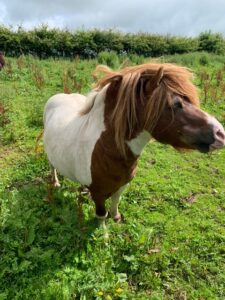
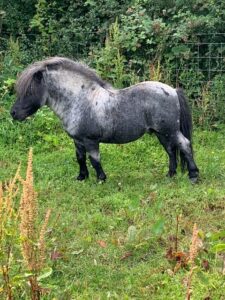
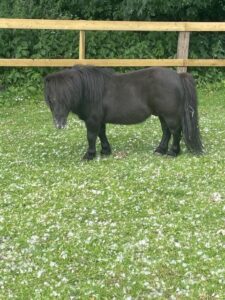
When I rescued HAPPA Sol, Sunny and Samson they were all stallions, obese, hooves extremely long and in danger of serious health problems. They were in a 30-acre field and unhandled for eight years. The Team at HAPPA did an excellent job at getting them used to being handled again, monitored their weight, and put them on a weight loss program, they are now in a wonderful Forever Home who are continuing with their care to ensure they don’t put weight back on.
To find out more about how you can support HAPPA’s work visit our What Can I Do to Help? page.