Lathom Park: The Home Of The Real War Horses
DATE
November 11, 2021
CATEGORY
RELATED ARTICLES
Lathom Park
As World War One broke out, the United Kingdom faced the pressing need to import horses for military purposes. Recognizing Liverpool’s strategic significance as a major port, it was deemed the ideal gateway for the influx of these invaluable equine recruits. However, the challenge lay in finding suitable facilities to house and train these noble animals upon their arrival.
In a stroke of ingenuity, Lathom Park in Ormskirk emerged as a solution to this logistical dilemma. In collaboration with the War Office, this picturesque estate was transformed into a temporary military base, serving as a vital hub for the reception, care, and training of the incoming equine reinforcements.
From 1914 to 1917, Lathom Park played host to an astounding procession of 215,300 horses, each destined to play a crucial role in the war effort. The sprawling grounds of the estate buzzed with activity as soldiers and handlers worked tirelessly to acclimate the horses to their new surroundings and prepare them for the rigors of military service.
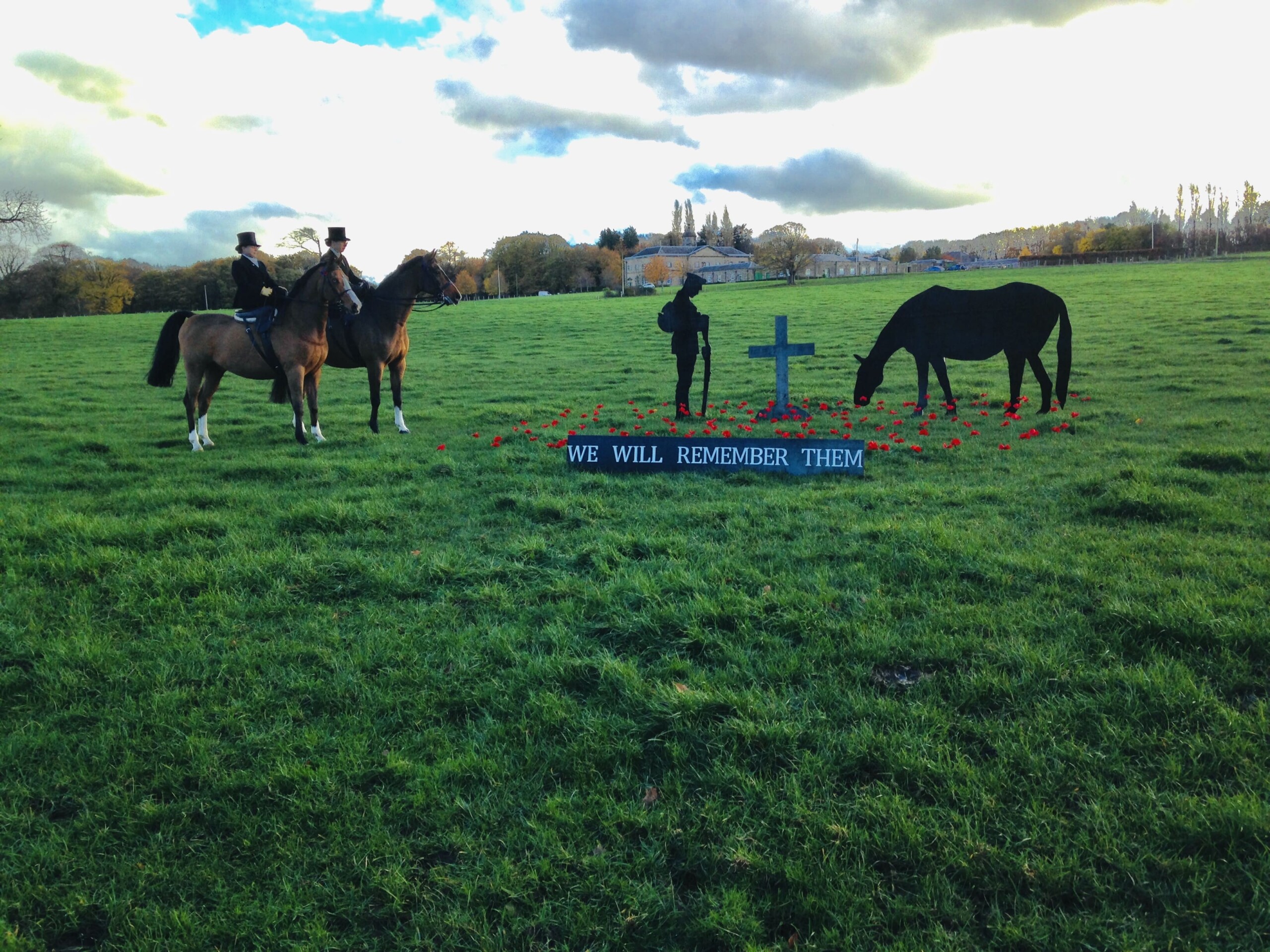
A poignant snapshot from 1914 captures the solemn yet determined procession of horses as they make their way from Ormskirk Train Station to Lathom Park. Against the backdrop of uncertainty and upheaval, this image serves as a poignant reminder of the immense sacrifices made by both humans and animals alike in the crucible of war.
Through the lens of history, we glimpse the profound bond forged between man and horse, as these noble creatures answered the call of duty alongside their human counterparts. Their unwavering loyalty and steadfast resolve symbolize the enduring spirit of resilience and sacrifice that defined the tumultuous era of World War One.

Information
The trustees at Lathom Park have collected many photographs and documents from this time and have kindly allowed HAPPA to share them with you. On Remembrance Sunday, we will publish some highlights of their incredible archive, including some stories of the people and horses who lived and worked there.
If you are interested in finding out more information then head over to their Facebook page and plan a visit, you can even follow the War Horse trail and try to imagine what it would have been like to take part in this incredibly important historical journey.